

sponsor content What's this?
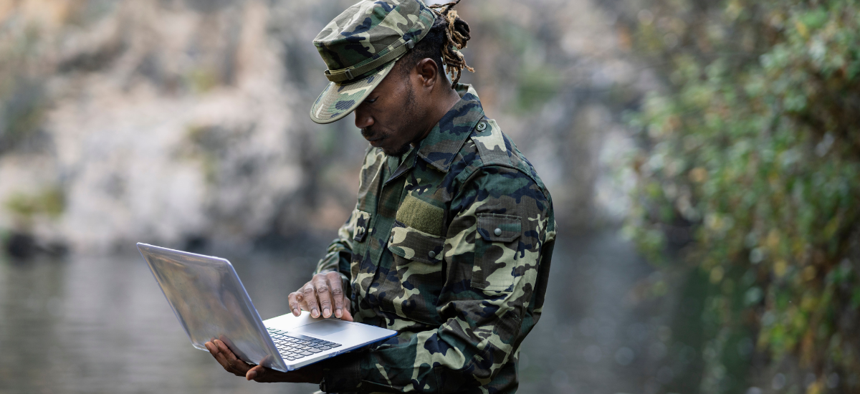



Operational readiness is ultimately about people. Training, equipment, and doctrine are important, but mission success depends heavily on focus, judgment, emotional regulation, and performance under pressure. Service Members and their families carry those demands every day through deployments, long work hours, high-tempo operations, relocations, and constant transition. These pressures are not exceptions to military life; they are part of it.
Mental health services should not be treated as separate support functions or engaged only after a crisis—they are essential to force readiness. When stress, anxiety, depression, and burnout go unaddressed, the consequences can be far-reaching: and result in degraded performance, increased attrition, added strain on military families, and disruptions to mission continuity and overall readiness.
The Impact of Delays
Even with recent programmatic improvements, many Service Members and families still face long wait times, provider shortages, administrative hurdles, and lingering stigmas when seeking appropriate mental health care. Traditional systems often rely on self-identification or visible signs of crisis before activating support, at which point strain may already be affecting performance, family relationships, and operational readiness.
A delayed system is inherently a reactive system, requiring individuals and families to navigate complexity when they may be least able to do so. For military communities where schedules are unpredictable, mobility is a constant, and operational readiness is paramount, too much is often left to chance. Support should be proactive, streamlined, and structurally embedded into the system.
A more effective readiness model reduces friction at the front end, offering Service Members and families discreet, practical ways to connect with support earlier in the process. For instance, digital tools can help reinforce coping strategies, support interaction over time before manageable stress becomes a crisis.
Embedded Technologies
Advances in AI and digital health are making the shift to more streamlined care possible. Secure digital entry points provide Service Members and families a private, always-available way to begin seeking support – whether they are at home, on base, deployed in theatre, or in transition from active duty to Veteran status. In military communities where schedules can be unpredictable and mobility is constant, digital pathways allow easier access to care.
Taking a technology-embedded approach to readiness makes support more readily accessible, easier to navigate, and better integrated, so organizations can deliver the right support at the right time with less friction – sustaining care even when life is in motion.
AI-enabled screening and triage tools can help collect information efficiently, identify risks sooner, and direct individuals to the appropriate level of support at the time they need it. in addition to the efficiency gains, the tools create meaningful impact for providers by reducing administrative strain, allowing providers to focus on what drew them to the profession in the first place – caring for the individuals they serve.
Heightened Readiness
When mental health technologies enhance the infrastructure that supports the force, organizations can detect risk earlier, allocate resources more strategically, and intervene appropriately. Earlier identification of risk, faster and clearer pathways to care, and sustained support all strengthen the operational readiness and resilience of those who serve.
This content is made possible by our sponsor Leidos; it is not written by and does not necessarily reflect the views of Defense One’s editorial staff.
NEXT STORY: Delivering Victory Through Fuzing Precision and Scale