

Science & Tech
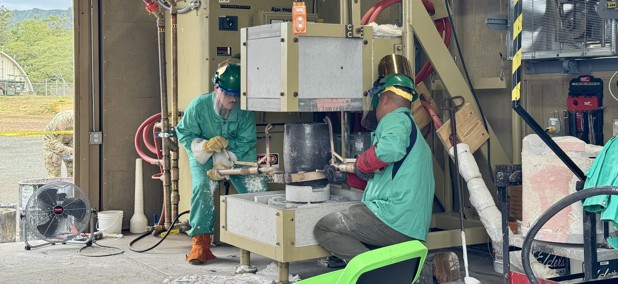
INDOPACOM’s ‘expeditionary foundry’ is another step toward the 3D-printed future
From FPV drones to irreplaceable howitzer parts, The Forge is expanding the realm of DIY military gear.


Science & Tech
Lockheed Martin aims to test a missile-killing satellite by 2028
The company’s Golden Dome strategy mixes established missile defense tech with new concepts.


Defense Systems
Space Force to launch ground target-tracking satellites in 2028
The new capability will first go to forces in the Indo-Pacific first.


Policy
Pentagon slashes staff of R&D repository by nearly 80%
Just 40 people will be retained at the Defense Technical Information Center, which Trump-administration officials say has become unfocused.


Threats
Malicious states are working to weaponize open-source software: report
Chinese, Russian, and North Korean-affiliated hackers are working to insert vulnerabilities into widely used software, Strider Technologies says.


Ideas
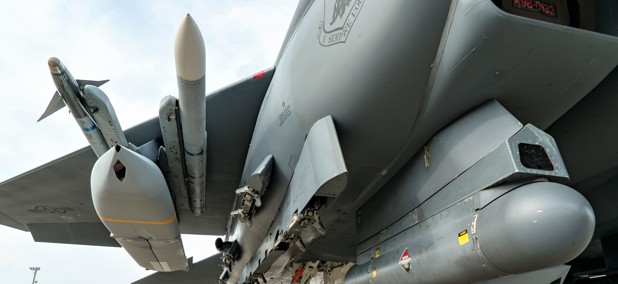
Lessons from this year’s unfunded priority lists
Just 15% of the value would go toward near-term readiness.
Defense Systems
The Army’s giant data deal with Palantir is a harbinger: service CIO
The 10-year, up-to-$10 billion deal is part of a larger effort to consolidate IT contracts and save money, Leonel Garciga told reporters.




Ideas
How to write a defense strategy that sticks
Seek clarity always, specificity sometimes—and produce a yardstick that can be used to measure decisions.


Policy
Pentagon asks to move $150m to speed up Air Force One by two years
The move is part of DOD’s $5.4 billion omnibus reprogramming request.

Policy
More automation—that's what the pick to lead Pentagon weapons testing wants
Meanwhile, the comptroller nominee described the conditions needed for a clean audit.

Science & Tech
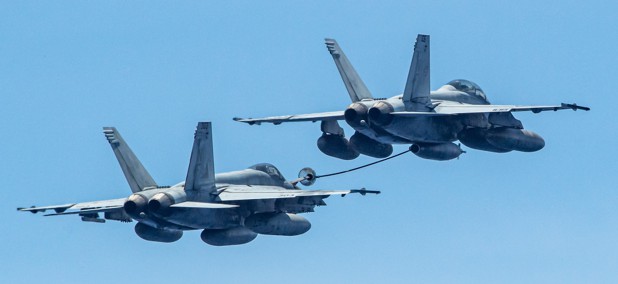
Navy’s drone refueler delayed again
Budget docs reveal that initial operating capability has been pushed to 2027.


Ideas
‘Fund first, ask questions later’ is a bad way to go
Handing $156 billion to the Pentagon with no clear plan invites not just waste but danger. Here's why.

Business
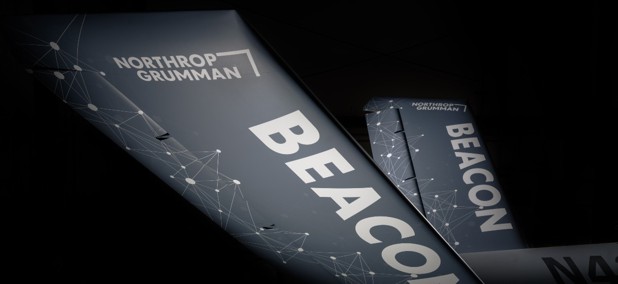
6 firms to join Northrop in autonomous-flight effort
The companies aim to use the defense giant's Beacon ecosystem to flight-test their offerings later this year.



Science & Tech
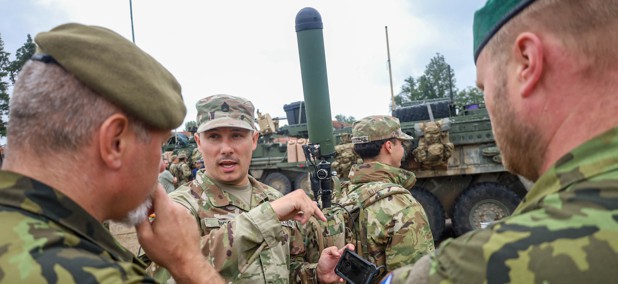
Senior officers need more data training, Army counterdrone exercise suggests
Leaders of the five-month Project Flytrap discussed preliminary findings.


Policy
US government will ingest all federal data into AI models, WH tech director says
That's one of the national-security reasons the U.S. needs to lead the world in AI, said OSTP's Michael Kratsios.




Policy