



Beyond the Exam: How Technology Is Transforming Military Health Readiness
Presented by
Leidos

Presented by
Leidos
When the President called for the rapid deployment of the District of Columbia Army National Guard in January 2025, its members mobilized within hours.
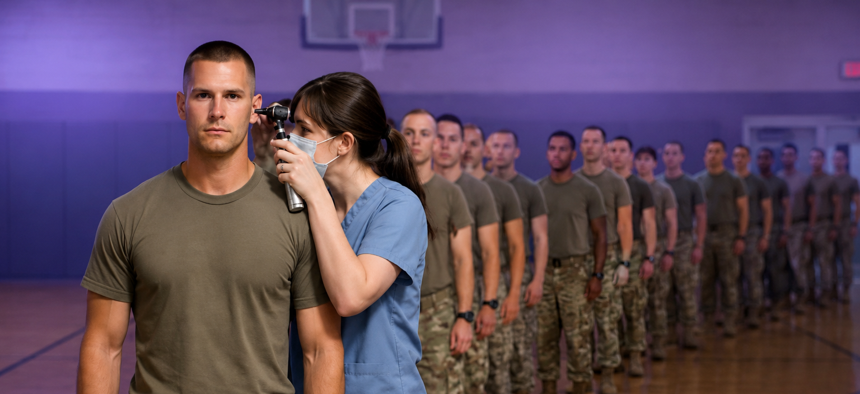
That response reflected years of preparation, including daily work to keep service members medically ready: through physical and behavioral health assessments, dental exams, laboratory testing and other requirements.
As the military becomes increasingly dispersed, maintaining readiness has become far more than a clinical challenge. It is an operational challenge that depends on providers, technology, logistics and data working together as one system.
Leidos brings these capabilities together to help military organizations maintain medical readiness across dispersed forces and demanding operational environments.
Meeting the Force Where It Serves
There is no one-size-fits-all approach to readiness.
An individual Reservist may need a Periodic Health Assessment close to home. A National Guard commander may need hundreds of soldiers to complete multiple readiness requirements during a single drill weekend. A geographically dispersed service member may benefit from completing a Mental Health Assessment remotely.
Meeting those diverse needs requires flexible delivery models.
Nationwide civilian provider networks allow service members to complete readiness activities in their own communities. Group readiness events bring multidisciplinary teams to armories, installations and other locations, creating temporary medical readiness clinics that minimize time away from training. Telehealth and call center capabilities expand access for services such as Mental Health Assessments and Post-Deployment Health Reassessments, reducing barriers for geographically dispersed personnel.
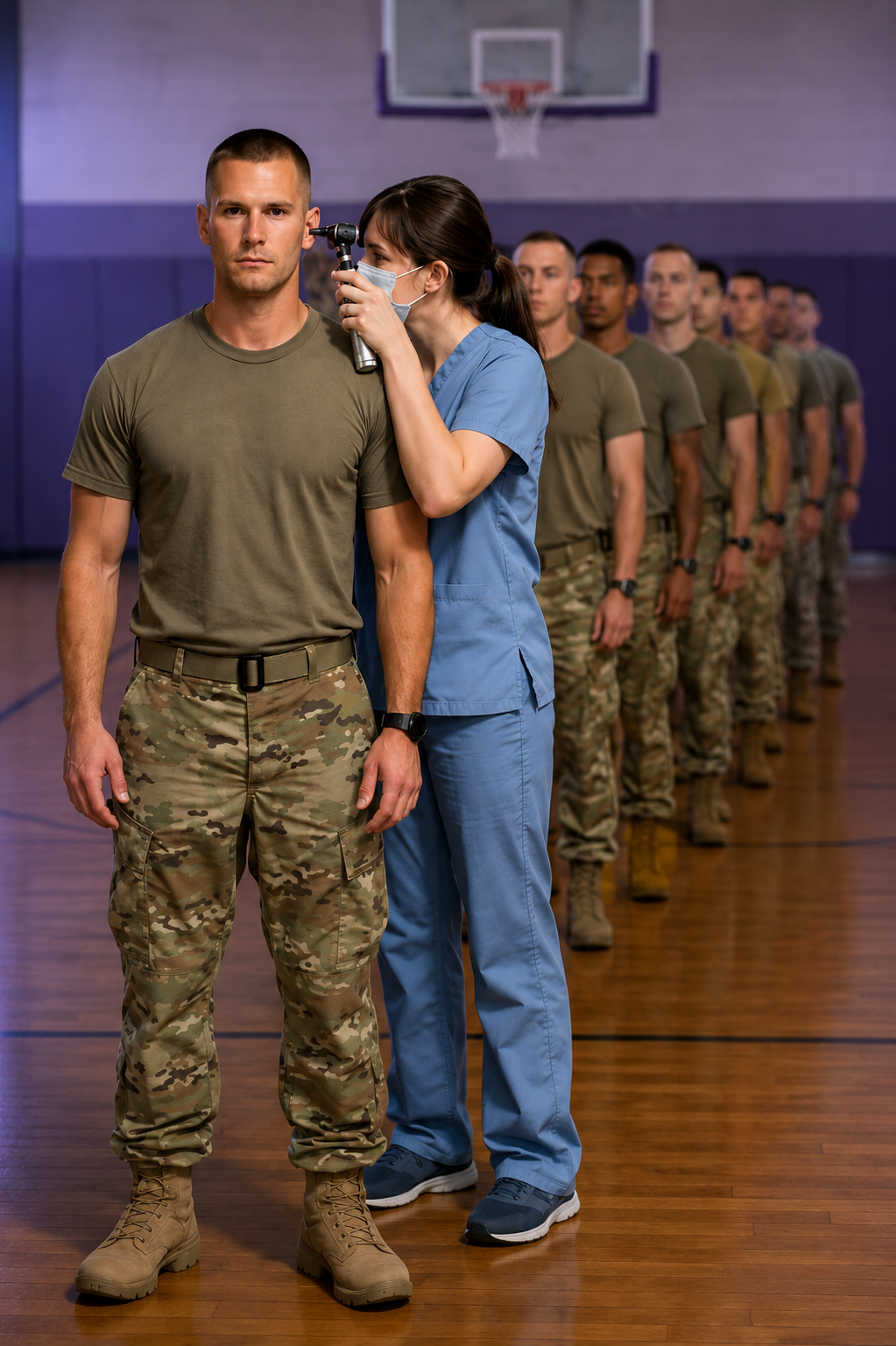
These modalities are not separate programs. They are integrated through a common digital platform that allows medical readiness services to adapt to the operational needs of the force rather than expecting the force to adapt to the system.
Technology as the Readiness Backbone
Leidos applies decades of experience solving complex federal challenges to connect the technology behind medical readiness.
Long before the first appointment, its systems coordinate thousands of decisions. Intelligent scheduling matches service members with appropriately credentialed providers. Group event management synchronizes clinicians, equipment and workflows. Mobile medical assets are positioned where they are needed most. Secure systems transmit examination results efficiently, while dashboards provide commanders with timely visibility into readiness progress.
Together, these systems transform thousands of examinations into a coordinated readiness process, giving commanders clearer insights while reducing the burden on service members.
Looking Ahead
The next generation of medical readiness will be defined not simply by digitizing existing processes, but by making them more intelligent.
Emerging technologies such as agentic AI promise to forecast demand, identify readiness risks before they affect operations and recommend more efficient ways to deliver services across a geographically dispersed force.
Technology will never replace clinicians. But it can give military leaders better information to enable faster decision-making and greater operational agility.
A Strategic Operational Capability
That model has been proven on a national scale. Leidos supports more than
2.8 million health examinations annually, and has completed nearly 2.7 million military readiness examinations to date. Since March 2023, the organization has held more than 4,300 group readiness events, including a surge of supporting 22,800 service members during a week of execution. Mobile health clinics have traveled more than 11 million miles to extend medical readiness services to installations, armories and remote training locations across the country.
Those numbers represent more than completed examinations. They demonstrate how nationwide provider access, flexible service delivery and advanced technology help commanders maintain a medically ready force while preserving training time.
As military operations continue to evolve, the systems that support them must keep pace. The future of military health readiness is more complex than simply conducting examinations. It's about ensuring the right clinician reaches the right service member, in the right way, at the right place and time — all supported by a digital readiness ecosystem. That will give commanders the confidence to know that when the call comes, the force is ready.
About Leidos
Leidos is an industry and technology leader serving government and commercial customers with smarter, more efficient digital and mission innovations. For more information, visit www.leidos.com.
This content is made possible by our sponsor Leidos; it is not written by and does not necessarily reflect the views of Defense One’s editorial staff.
NEXT STORY: Optimizing force readiness: A holistic approach to SOF human performance