



Threats
State Dept. Investigating Claims That Syria Used Chlorine in Attack
State Department officials are looking into reports that concentrated chlorine was dropped from helicopters in Syria. By Global Security Newswire


Threats
After Afghan Election, Debate Over Post-2014 Troops Continues
Military and diplomatic officials worry that the gains in Afghanistan will be lost if U.S. and NATO forces pack up and leave. By Gayle Tzemach Lemmon
Policy
U.S. Relationship with Assad Reaches a New Low
The State Department shuts down the Syrian embassy in Washington, D.C. By Jordain Carney


Policy
House Wants to Delay IMF Reform for Ukraine
The House Foreign Affairs Committee chairman doesn't want International Monetary Fund reforms tied to Ukraine aid. By Stacy Kaper


Policy
Kerry Warns Crimea Not to Hold Vote on Sunday
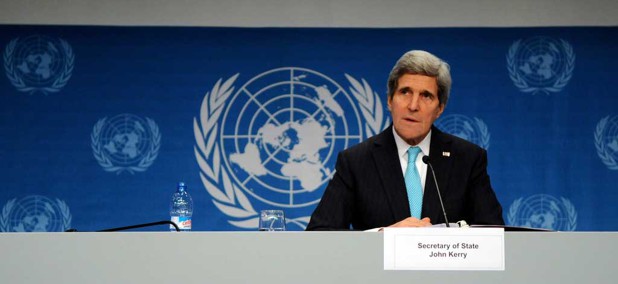
Secretary of State John Kerry says the March 16 referendum has ‘no justification, no legality.’ By Ben Watson


Threats
Heading Off Russian Invasion, Kerry to Visit Ukraine on Tuesday
Calling Putin a ‘tyrant’ whose actions reflect ‘19th century behavior in the 21st century,’ Secretary of State John Kerry heads to Kiev. By Stephanie Gaskell

Science & Tech
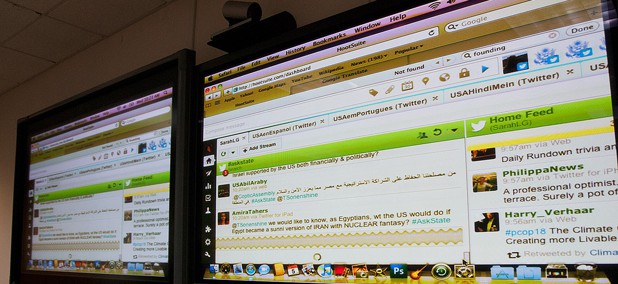
How Social Media Affects Diplomacy
Social media blurs the lines between traditional diplomacy and 'public diplomacy.' By Joseph Marks


Threats
Kerry Calls Climate Change a Threat to National Security
The Secretary of State says climate change can be considered a 'weapon of mass destruction.' By Clare Foran


Policy
Secretary of State John Kerry Is Back on Twitter
Formerly one of Congress's most colorful tweeters, Secretary of State John Kerry has his own Twitter account again. By Sara Sorcher
Ideas
Military Force vs. Diplomacy: Can You Have One Without the Other?
Obama says the U.S. is entering a new era of reliance on diplomacy over military force. By Gayle Tzemach Lemmon


Policy
U.S. Increases Humanitarian Aid for Syria
The latest round of funding brings the total U.S. humanitarian assistance for the Syrian conflict to more than $1.7 billion. By Jordain Carney
Policy
Expect Kerry, Congress to Clash Over Fragile Iran Nuclear Deal
Though the administration secured a small victory in Geneva, many lawmakers are seething at the terms of the deal. By Sara Sorcher and Stacy Kaper


Policy
Iranian Foreign Minister: More Sanctions Would Kill Nuke Deal
Javad Zarif's statement comes right before Secretary of State John Kerry is due to testify before members of Congress who want additional sanctions with the interim agreement. By Jordain Carney


Policy
After Secret Talks, Will the U.S. Get Iran to Open Up?
The administration's cloak-and-dagger diplomacy towards an interim deal was great. Whether it is actually effective in the next stage of negotiations is another question. By Major Garrett
Business
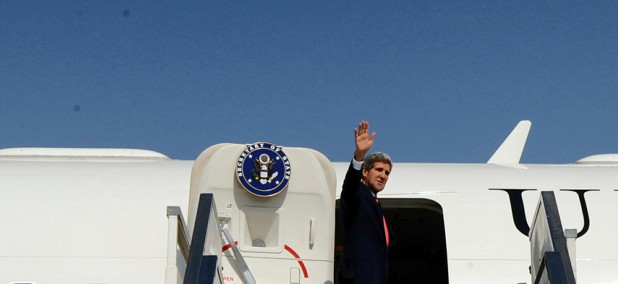
John Kerry Has a Long Way to Go to Reshape the Middle East
The Secretary of State may have scored a victory with an interim deal, but there's plenty of work ahead of him. By David Rohde


Ideas
The Quiet Americans
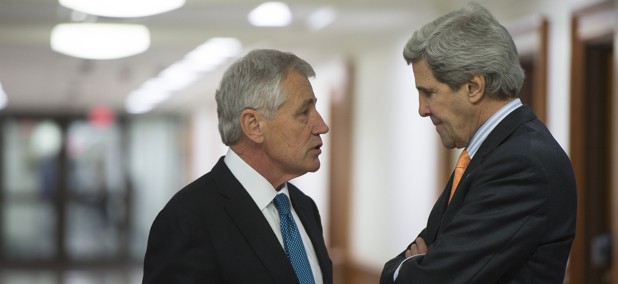
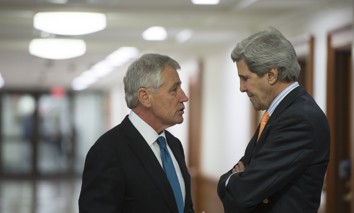
John Kerry and Chuck Hagel want their legacies in office to be associated with the foreign policy giants of another era. They must first look back and learn from their predecessors. By Kenneth Weisbrode


Threats
USAID Issues Holiday Plea: Donate Cash for Philippines, as Military Withdraws
As the U.S. military mission shrinks and winter sets in, the head of USAID is urging Americans to donate money to typhoon victims in the Philippines. By Kevin Baron


Policy
USAID: Aid Groups Also Stuck Waiting for Afghan Troop Agreement
USAID Administrator Rajiv Shah says the global aid community that’s so tied to the U.S. military also is eyeing the loya jirga. By Kevin Baron


Business
How John Kerry Could End Up Outdoing Hillary Clinton
Critics say he's pompous and reckless—but his relentlessness may end up making him the most consequential secretary of state in years. By David Rohde
Policy